

Why Multi-Factor Authentication is Essential for Any Business
November 1st, 2023
 \t
\t\t\tIn today's digital age, where data breaches and cyberattacks are rampant, safeguarding sensitive information is paramount for businesses of all sizes. \t
\t\t\tPasswords once considered the primary line of defense, are no longer sufficient in the face of increasingly sophisticated threats. That's where multifactor authentication (MFA) comes into play. \t
\t\t\tThis article explores why MFA is essential for any business, regardless of its size or industry. \t
\tThe Limitations of Passwords
\t\t\tPasswords are the most common method of authentication, but they have several inherent vulnerabilities: \t
\t-
\t\t
- Password Theft: Cybercriminals can steal passwords through various means, including phishing attacks, credential stuffing, and keyloggers. \t\t
- Password Weakness: Users often choose weak or easily guessable passwords, making it easier for attackers to gain unauthorized access. \t\t
- Password Reuse: Many people reuse passwords across multiple accounts, which can lead to widespread security breaches if one password is compromised. \t\t
- Forgotten or Lost Passwords: Employees may forget or lose their passwords, leading to productivity losses as they request resets. \t\t
- Single Point of Failure: Relying solely on passwords creates a single point of failure in your security infrastructure. \t
The Role of Multi-Factor Authentication
\t\t\tMulti-factor authentication (MFA) addresses the shortcomings of passwords by adding an extra layer of security. MFA requires users to provide more than one authentication factor from different categories: \t
\t-
\t\t
- Something only you know: This is typically a password or PIN. \t\t
- Something only you have: This could be a physical device like a phone or a card \t\t
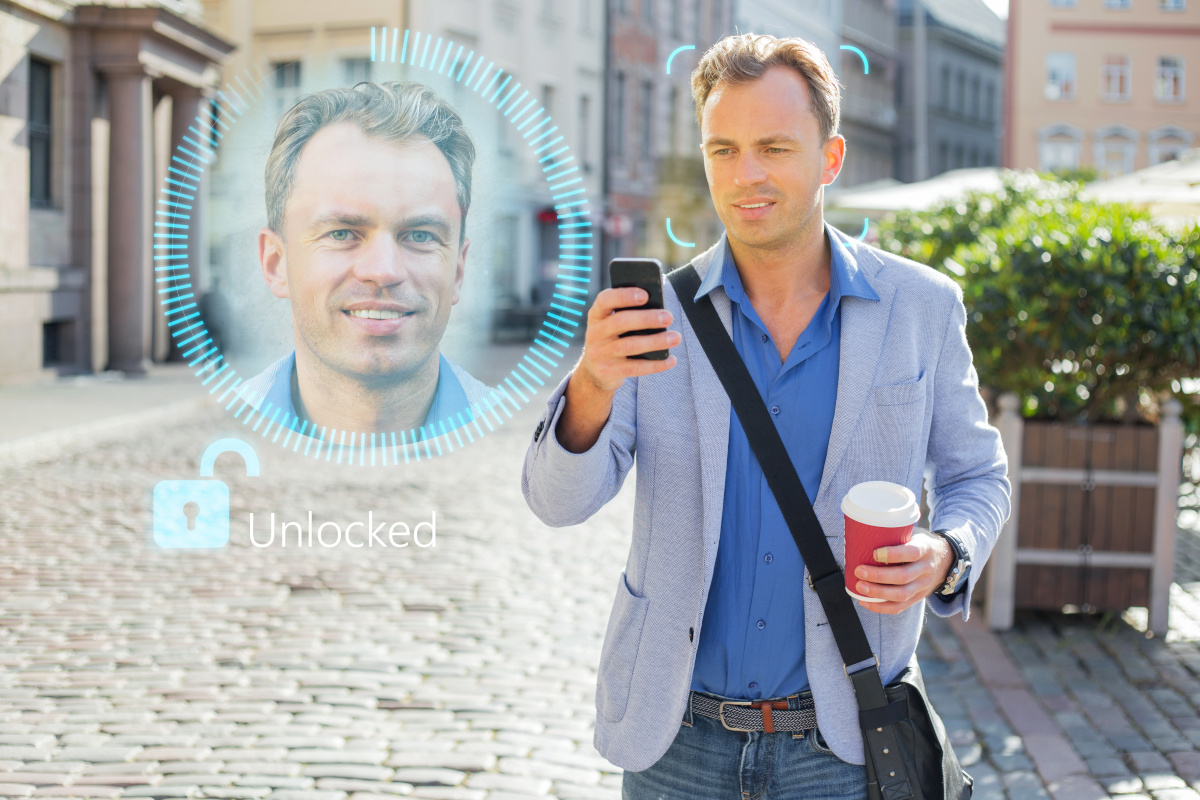
- Something only you are: This refers to biometric data such as facial recognition or eye scans. \t
Benefits of Multi-Factor Authentication
\tEnhanced Security
\t\t\tThe primary advantage of MFA is its ability to significantly enhance security. Even if an attacker obtains a user's password, they would still need the second factor to gain access. \t
\t\t\tThis additional layer of protection makes it much more difficult for cybercriminals to compromise accounts and systems. \t
\tReduced Risk of Unauthorized Access
\t\t\tMFA minimizes the risk of unauthorized access to sensitive systems and data. Even if an employee's password is stolen, an attacker would not be able to log in without the second authentication factor, mitigating the risk of data breaches. \t
\tCompliance with Regulations
\t\t\tMany industries and regions have data protection regulations that require the implementation of strong authentication methods. MFA helps businesses stay compliant with these regulations, avoiding potential legal and financial consequences. \t
\tPassword Management Simplification
\t\t\tMFA can simplify password management for users and IT administrators. With MFA in place, the need for overly complex passwords is reduced, making it easier for employees to remember and manage their credentials. \t
\tUser Convenience
\t\t\tModern MFA solutions are designed with user convenience in mind. Methods such as push notifications to mobile devices or biometric authentication are often faster and more user-friendly than traditional passwords. \t
\tProtection Against Phishing
\t\t\tMFA can provide protection against phishing attacks. Even if a user unwittingly provides their password to a phishing site, the attacker would still need the second factor, which is typically not accessible to them. \t
\tBusiness Continuity
\t\t\tMFA can help ensure business continuity by reducing the likelihood of unauthorized access and data breaches. This minimizes the potential disruptions caused by cyber incidents. \t
\tImplementing Multi-Factor Authentication
\t\t\tTo implement MFA in your business: \t
\t-
\t\t
- Choose the Right MFA Solution: Select an MFA solution that suits your business needs and integrates well with your existing systems. \t\t
- Educate Employees: Train your employees on how to use MFA and the importance of safeguarding their authentication factors. \t\t
- Enforce MFA: Make MFA mandatory for accessing sensitive systems, applications, and data. \t\t
- Monitor and Update: Continuously monitor MFA usage and update your authentication methods and policies as needed to stay ahead of evolving threats. \t
\t\tMulti-factor authentication isn't an optional security measure anymore; it's essential for any business that wants to protect sensitive information, maintain regulatory compliance, and reduce the risk of cyberattacks. \t
\t\t\tBy implementing MFA, businesses can enhance security, reduce reliance on vulnerable passwords, and safeguard their digital assets and reputation in an increasingly hostile online environment. \t
\t\t\tWhether you're a small startup or a large corporation, the benefits of MFA are universal: enhanced security, reduced risk of unauthorized access, and compliance with data protection regulations. \t
\t\t\tStrengthen your security with MFA and keep your digital assets locked down. Your defense is your best offense! \t
If you want to learn more about why multi-factor authentication is essential for any business, contact us today.
Posted in: Cybersecurity